On-Site Slab Evaluation
We measure elevations with a laser level, mark the low spots and check for cracking, spalling and delamination. You get a written flat price and a clear recommendation on lift versus replace before we drill a single port.
Concrete Leveling and Mudjacking Chula Vista CA is how you fix a sunken driveway, a trip-hazard walkway or a patio that pools water, without a full tear-out. We drill small ports, pump a cement-based slurry underneath and lift the slab back to grade in a single visit. If your concrete has settled, we can raise it.
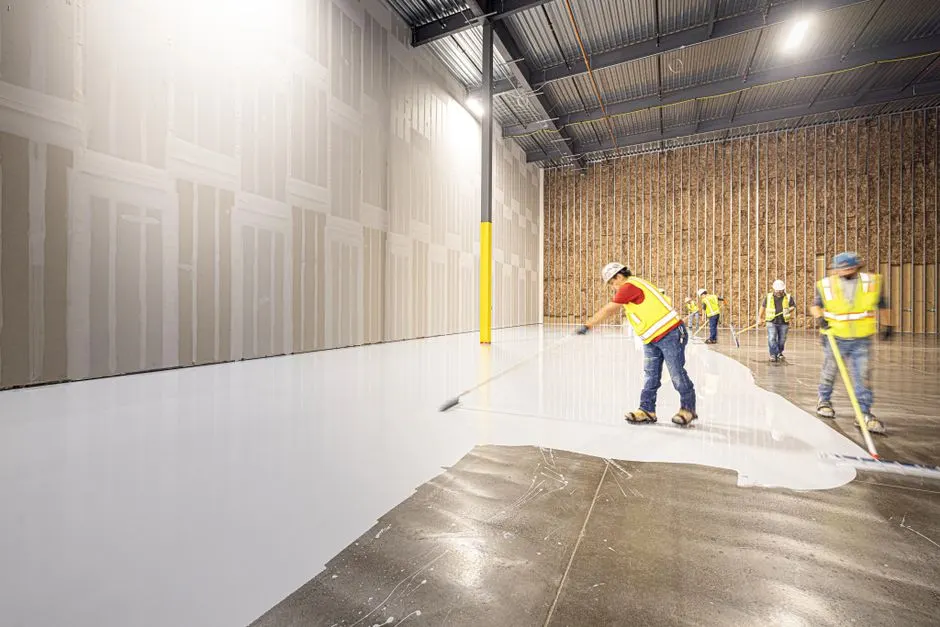
Concrete Leveling and Mudjacking Chula Vista CA is a slab-raising repair that injects a Portland cement, sand and aggregate slurry through 1 to 2 inch holes drilled in the settled concrete. The material fills the voids left by soil movement and pushes the slab back up to its original grade. We use a concrete mixer and a concrete pump to place the slurry, then finish each port with matching patching material and a concrete sealer. Most residential slabs lift 1 to 4 inches and are back in service the same day.
Chula Vista sits on expansive clay soils that swell when the winter rains arrive and shrink through our dry summers. That cycle leaves driveways, patios, garage aprons and pool decks sitting lower than the surrounding grade. Homeowners in Eastlake and Otay Ranch call us when a slab drops more than an inch and water starts running toward the house instead of away from it. A concrete leveling contractor Chula Vista CA can lift that slab for a fraction of replacement cost.
Every lift we do in Chula Vista includes the full scope below, from evaluation through cleanup. If your job needs something outside this list, like a full tear-out or a new pour, we tell you upfront and price it separately before any work starts.
We measure elevations with a laser level, mark the low spots and check for cracking, spalling and delamination. You get a written flat price and a clear recommendation on lift versus replace before we drill a single port.
We lay out injection ports on a 3 to 4 foot grid using a Bosch hammer drill and a concrete saw where edges need trimming. Ports go in the low areas first so the slab rises evenly instead of cracking at the high side.
We batch a Portland cement, sand and aggregate slurry in a concrete mixer, add admixtures to control flow and set time, and pump it under the slab in controlled lifts. Density is matched to the soil under your slab.
We check slope with a level and straightedge after every pass and stop when the slab matches surrounding grade. Each port is filled with matching patching compound so the repair blends with the existing surface.
We apply a concrete sealer over the repair area to slow moisture intrusion, then sweep, rinse and haul off every bag and bucket. You get a walkthrough, a care sheet and a written workmanship warranty.
We walk the slab, shoot elevations with a laser level and mark the low spots. We check for cracking, spalling and delamination so we know whether the concrete is worth lifting or needs replacement. You get a written price before we drill anything, usually within 30 minutes.
We drill 1 to 2 inch ports on a 3 to 4 foot grid using a Bosch hammer drill and a concrete saw where edges need trimming. Ports go in the low areas first. A 300 square foot driveway takes about 20 to 30 ports and roughly 45 minutes to drill.
We batch a Portland cement, sand and aggregate mix in a concrete mixer, adding concrete admixtures to control set time and flow. The concrete pump pushes the slurry under the slab in lifts, and we watch the laser level the whole time so the slab rises evenly instead of cracking.
We raise the slab in small increments, checking slope with a level and a straightedge after every pass. Most slabs come up 1 to 4 inches. Once the surface matches the surrounding concrete and drains correctly, we stop pumping and let the material set for 30 to 60 minutes.
We fill each port with a matching patching compound, then apply a concrete sealer over the repair area to slow moisture intrusion. We sweep, rinse and haul off every bag and bucket. You get a walkthrough, a care sheet and a workmanship warranty on the lift.
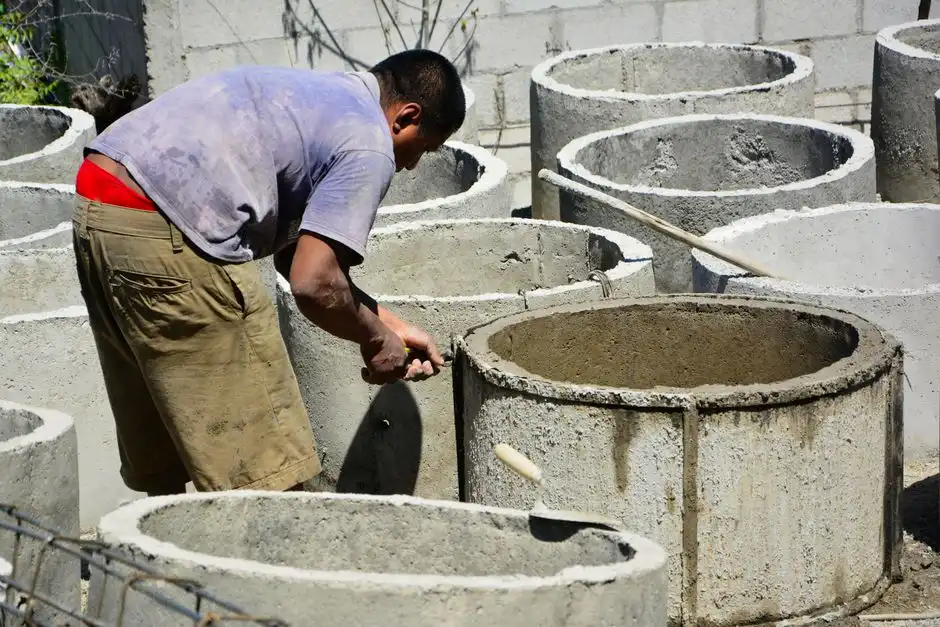
We walk the slab, shoot elevations with a laser level and mark the low spots. We check for cracking, spalling and delamination so we know whether the concrete is worth lifting or needs replacement. You get a written price before we drill anything, usually within 30 minutes.
We batch slurry on site in a concrete mixer and place it with a concrete pump, which lets us control density and reach backyard patios and tight side yards without a chute truck.
We drill 1 to 2 inch injection ports on a 3 to 4 foot grid and trim edges where needed. Clean, consistent ports mean better slurry flow and a tidier patch afterward.
We check elevation before, during and after every lift. The laser tells us exactly how far the slab has dropped and when it is back to grade, so we stop pumping at the right moment.
On new pours and patch work, these tools give us a consistent surface and clean edges. We use a groover to cut control joints at the right spacing so cracks happen where we want them.
We patch injection ports with matching repair material so the repair blends with the existing concrete. Color and texture match matters on visible slabs like driveways and patios.
Admixtures control set time, flow and strength in the slurry. We adjust them based on soil type and slab weight so the lift holds through the wet season.
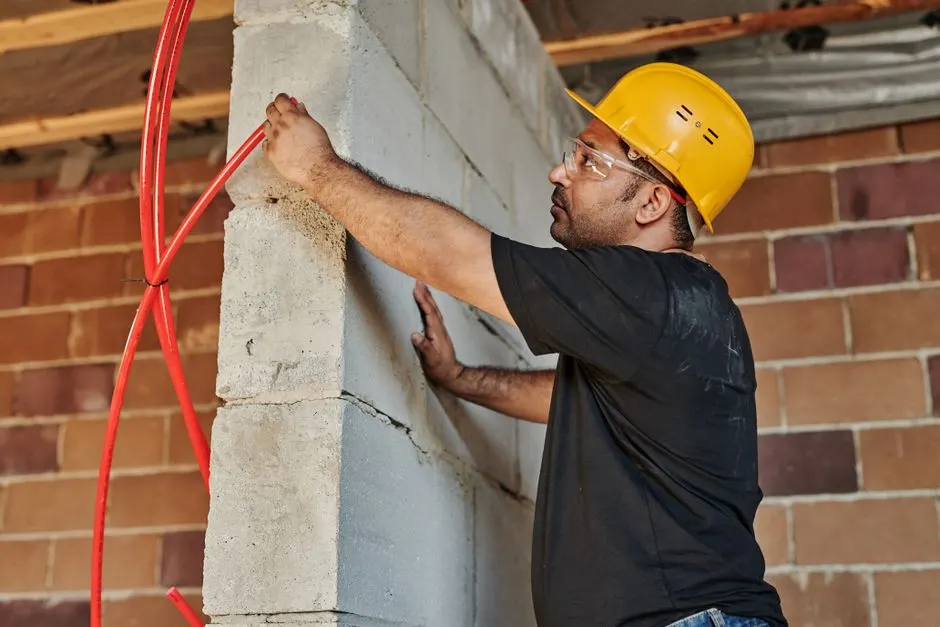
A 400 square foot driveway in Eastlake had dropped 2.5 inches at the garage apron. Water pooled against the door after every rain, and the lip scraped the family's SUV bumper every time they pulled in. A replacement quote came in at $6,800.
After: We drilled 26 ports, pumped a cement slurry matched to the clay soil and raised the apron back to grade in about three hours. The slab now drains to the street, the bumper scrape is gone, and the total bill came in at $1,250.
Book this service →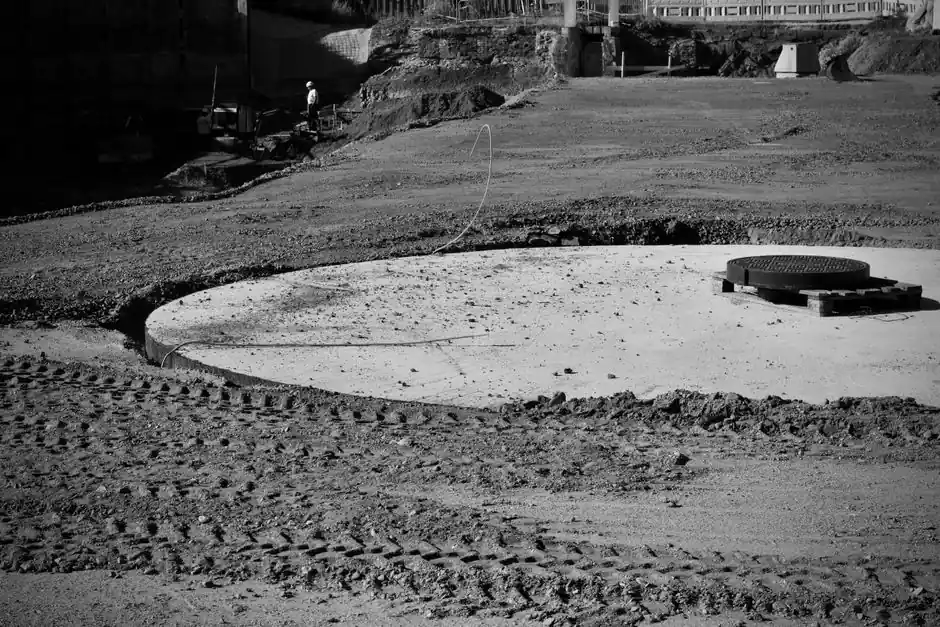
Two sidewalk panels in Otay Ranch had settled 1.5 inches, creating trip hazards that failed an inspection. The property manager needed them fixed fast without disrupting tenants or tearing out the whole walkway.
After: We lifted both panels in a single morning visit, verified grade with a laser level and patched the ports with matching material. The walkway now meets ADA compliance for slope and lip height, and the inspection passed the following week.
Book this service →
A stamped concrete pool deck in Rolling Hills Ranch had settled near the shallow end, and the coping no longer lined up with the waterline tile. Water pooled on the deck instead of draining away, and the homeowner did not want to lose the decorative finish.
After: We lifted the settled sections back to grade with a lighter-density slurry, patched the ports with matching material and sealed the surface. The deck now drains correctly, the coping lines up with the tile, and the stamp and color stayed intact.
Book this service →Settled concrete is rarely just a cosmetic issue. It changes how water moves across your property, how safe your walkways are and how long the rest of your concrete lasts. Here are the problems we see most often in Chula Vista.
Ask a pro →We lift the apron slab back to grade so runoff flows to the street. Most aprons come up 1 to 3 inches in a two to three hour visit, and you can park on the surface the next morning.
We raise the panel to match the surrounding walkway and patch the ports with matching material. If the concrete is cracked through, we replace that panel instead and tell you why.
We lift the settled sections back to grade so the deck drains away from the pool and the coping lines up. Stamped and decorative finishes stay intact because we raise the slab rather than replacing it.
We lift the slab to restore the 2 percent slope that carries water away from the house, then seal the surface. If the crack runs all the way through, we recommend replacement and quote it honestly.
$600 - $2,500 depending on scope
Typical 2026 pricing in Chula Vista runs $600 to $2,500 for residential mudjacking, with most single driveways and patios landing between $900 and $1,400. Small sidewalk panels can come in under $500. The price depends on square footage, how far the slab has dropped, how many ports we need and whether the surface needs patching or sealing afterward. We give you a flat written price on site before we drill, so there are no surprises when the invoice arrives.
Lifting costs roughly a third of replacement and takes hours instead of days. You keep the concrete you already own, avoid demolition and haul-off, and get a warrantied repair that restores drainage and removes the trip hazard.
Larger slabs need more ports and more slurry. A 200 square foot walkway might take 15 ports, while a 600 square foot driveway can take 40 or more. Square footage is the biggest single driver of the price.
Get a quote ↗A slab that has settled 1 inch lifts quickly with less material. A slab that has dropped 4 inches needs more slurry, more pump time and more careful grade control to avoid cracking at the high side.
Get a quote ↗We space ports 3 to 4 feet apart, so a longer or wider slab needs more of them. Each port has to be drilled, pumped and patched, which adds labor and material to the job.
Get a quote ↗Stamped, stained and exposed aggregate surfaces need matching patch material and careful handling so the finish stays intact. Plain gray concrete is faster and cheaper to patch and seal.
Get a quote ↗“Our driveway had dropped almost 3 inches at the garage apron and water was pooling against the door. The crew drilled ports, pumped the slurry and had the slab back to grade in about three hours. They patched the holes so cleanly I had to look hard to find them. Price came in under half of what a replacement quote was.”
Marisol R.Homeowner, Eastlake
✓ Verified“We manage several rentals and had a walkway with two panels that were a real trip hazard. They lifted both panels the same morning, sealed the surface and sent photos before and after. Tenants never had to move out or reroute. I have used them on two more properties since.”
Danny K.Property Manager, Otay Ranch
✓ Verified“Our stamped patio had settled near the pool and the coping was out of line with the waterline. They lifted it without damaging the stamp or the color, which was my main worry. The crew was on time, cleaned up everything and walked me through the repair before leaving. Looks like it was poured yesterday.”
Priya S.Homeowner, Rolling Hills Ranch
✓ VerifiedMost residential jobs in Chula Vista run $600 to $2,500 in 2026, with a typical single driveway or patio landing around $900 to $1,400. Small sidewalk panels can come in under $500. Price depends on square footage, how far the slab has dropped and how many injection ports we need. You get a flat written price before we drill.
A standard driveway or patio takes two to four hours from setup to cleanup. Larger jobs, like a full pool deck plus walkway, can run a full day. The slurry sets in 30 to 60 minutes, so you can walk on the surface the same afternoon and park on it the next morning.
The right contractor is the one who measures your slab, explains the lift in plain terms and puts the price in writing before drilling. We have been lifting concrete in Chula Vista since 2018, we hold ACI certification and OSHA 30 training, and we warranty our workmanship. Call us and compare the quote.
Yes, when the slab is structurally sound and has settled 1 to 4 inches. Lifting costs roughly a third of replacement and takes hours instead of days. It is not worth it if the concrete is cracked through or crumbling, and we will tell you that straight instead of selling you a lift that will not hold.
Sunken slab, trip hazard, water running the wrong way? We measure it, price it and lift it, often the same week. Licensed, insured and warrantied, with 8 years serving Chula Vista and San Diego County. Call now for a same-day written price.
Get a Free Quote +16199843356 →Call us at +1 (619) 984-3356 and we will get you on the schedule. Most estimates go out the same day, and we answer questions about thickness, finish, and cure times before you commit to anything. Reach us by phone or email, Monday through Friday, 8:00 to 18:00.